
Bitcoin price falls below $39,000 as indicators suggest risk of a deeper correction, according to Bitfinex

The bitcoin price has fallen below the $39,000 mark, causing a significant decline in short-term holder profits, according to Bitfinex.This market shift could result in increased sell pressure from the short-term holder cohort, analysts added.
According to Tuesday's Bitfinex Alpha Report, bearish sentiment appears to be prevailing in the market. "The next crucial price levels for bitcoin that could provide support are estimated to be between $38,000, which is close to the short-term holder realized price for bitcoin at $38,307, and $36,000," the report stated.
Bitfinex analysts tracked metrics for unrealized and realized profit and loss for short-term bitcoin holders, identifying that over half of the profits accumulated by this cohort have been wiped out. "Many holders, especially those who acquired bitcoin less than a month ago, are now exiting the market at a loss," the analysts added.

Short-term BTC -4.12% holders' realized and unrealized profit has declined. Image: CryptoQuant.
Market volatility causes spike in liquidations
As a result of the heightened market volatility , total liquidations of leveraged crypto positions in the past 24 hours have surpassed $330 million.
The majority of the liquidations involved long positions, leading to a loss of over $290 million, while short positions contributed only around $39 million to the total liquidations, according to Coinglass data.
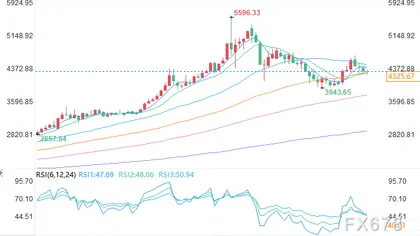
The bitcoin price has dropped more than 4.5% in the past 24 hours, falling below the $39,000 mark. The world’s largest cryptocurrency by market capitalization is now trading at $38,894 as of 5.17 a.m. ET, according to The Block’s Prices Page.

The price of bitcoin has fallen below the $39,000 level. Image: The Block.
Disclaimer: The content of this article solely reflects the author's opinion and does not represent the platform in any capacity. This article is not intended to serve as a reference for making investment decisions.
You may also like
The 5% U.S. Treasury yield storm is coming! The refinancing time bomb countdown begins—who will be the first victim?
The 10-year US Treasury yield has surpassed 5%, reaching a new high since 2007. The longer high interest rates persist, the greater the refinancing pressure will be on real estate companies, commercial real estate, and highly indebted firms, with systemic risks likely to accelerate and emerge within the next 12 to 18 months.

Don't Fight the Profit Cycle! Will U.S. Stocks Break 8,000 Points This Year?
Jefferies predicts that, driven by the dual engines of the AI investment boom and stronger-than-expected corporate earnings, the S&P 500 index is expected to soar to 8,000 points by the end of 2026 and further reach 9,000 points in 2027. AI-driven profit expansion has spread from the "Magnificent Seven" to the entire market, with the S&P 500's EPS forecast to surge by 35% this year, far exceeding market consensus—marking the strongest earnings supercycle since 1995! The only real threat: if US Treasury yields continue to spike, the risk of valuation compression cannot be ignored.
Will “continual learning” AI extend the memory “shortage” until 2031?
Citi believes that as AI enters the era of "continuous learning" beyond simple training and inference stages, demand for HBM, server DDR5, and enterprise SSDs (eSSD) will experience explosive and simultaneous growth starting from 2027. While demand will surge rapidly, the supply side is constrained by HBM production capacity usage and slower technology migration, leading to expansion lagging far behind demand. This supply-demand imbalance is expected to continue until 2031.
Crypto prices
More


