
Celo developer cLabs proposes using OP Stack to launch Ethereum Layer 2 chain

cLabs, the core developer of the Celo blockchain, has proposed developing its Layer 2 chain using the OP Stack. After evaluating various scaling technologies over an eight-month period, the firm chose OP Stack for development.
The move to migrate Celo from its current Layer 1 network to an Ethereum Layer 2 was confirmed after receiving community approval through a governance vote last July, marking a big change in the project’s evolution.
The team has now decided to develop its Layer 2 on the OP Stack, the primary toolkit for developing chains within the Optimism ecosystem. This followed an eight-month period of evaluation and testing of various scaling technologies and software packages, including Arbitrum Orbit , zkSync’s ZK Stack, and Polygon CDK .
OP Labs, the core contributor of the Optimism ecosystem, offers a development software stack known as the OP Stack, which enables developers to launch their own Layer 2 blockchains.
The firm plans the deployment of a testnet for the Celo Layer 2 in the summer of 2024, after another round of community voting.
The migration to the Optimism ecosystem will be a step towards integrating Celo into Optimism’s Superchain ecosystem that includes OP Mainnet, Base , Zora, Mode, and others. Worldcoin, the digital identity network founded by OpenAI’s Sam Altman, is also developing a Layer 2 network on the OP Stack.
OP Mainnet and other chains in the Optimism ecosystem use a scaling solution called optimistic rollups for operation. This technology aggregates Ethereum transactions on a secondary off-chain layer and allows for cheaper transaction processing to address scalability concerns on Ethereum.
cLabs stated in its proposal that Celo’s migration to OP Stack-based Layer 2 will focus on maintaining the network's distinctive features while improving its performance. Proposed improvements will include a reduction in block time from 5 seconds to 2 seconds and a 50% increase in throughput.
Celo is an Ethereum Virtual Machine-compatible blockchain that raised $30 million in 2019 from prominent venture firms like a16z and Polychain Capital. It closed another $20 million round in 2021. The network hosts a variety of applications, from popular Ethereum-based dApps like Uniswap and Sushiswap to native projects such as Valora , Mento, and UbeSwap.
Disclaimer: The content of this article solely reflects the author's opinion and does not represent the platform in any capacity. This article is not intended to serve as a reference for making investment decisions.
You may also like
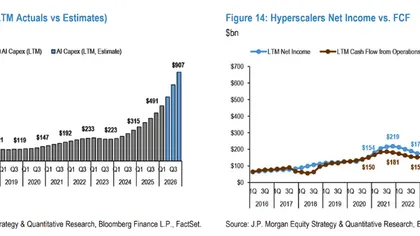
From the Token Frenzy to the $1.3 Trillion AI Server Blue Ocean: AI Inference Computing Power Fully Explodes, Industry Leaders like Dell Usher in the Golden Era of "Volume, Price, and Market Share"
Leading global AI server cluster manufacturers such as Dell are simultaneously benefiting from two major growth dividends: the accelerated expansion of the AI server market and a significant increase in the order shares from core AI cloud computing customers, including large enterprises and new cloud providers. They are not merely passively profiting from hardware price increases.

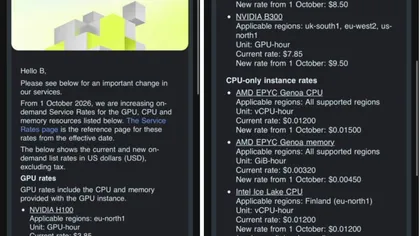
GPU Cloud Services Surge in Price: Nebius Raises Prices Again by 20%, Computing Power Supply Side Gains Bargaining Power
From October 1st, Nebius will raise prices for its entire GPU cloud service line by approximately 20%, with multiple chips from H100 to B300 seeing increases. This marks the second round of price hikes in recent months, and the cumulative increase for B300 has reached 56%. Demand visibility extends beyond 24 months, with customers eager to purchase Blackwell computing power, even willing to pay a premium in auctions. The supply-demand imbalance for AI computing power is reshaping the entire industry’s negotiation landscape, as bargaining power is quietly shifting to the supply side.
Crypto prices
More


