
Offchain Labs publicly disclosed that it had discovered two serious vulnerabilities in OP Stack fraud proofs
PANews reported on April 26 that Arbitrum's R&D team Offchain Labs reported two serious security vulnerabilities found on the Optimism testnet to the OP Labs team on March 22. These vulnerabilities exist in the Optimism fraud proof system deployed by OP Labs. Offchain Labs provided demonstrative attack code to help OP Labs identify and understand these security issues. On March 25, OP Labs confirmed the existence of these problems and coordinated the disclosure time of the vulnerabilities with Offchain Labs.
According to the agreement between the two parties, Offchain Labs will not publicly disclose the vulnerabilities until the problems are fixed. The Optimism testnet was updated on April 25, and then Offchain Labs publicly disclosed these security vulnerabilities for the first time today. These vulnerabilities allow malicious parties to manipulate the OP Stack's fraud proof mechanism to accept false chain history or prevent it from accepting the correct chain history. The problem stems from a vulnerability in the OP fraud proof design in handling timers.
Disclaimer: The content of this article solely reflects the author's opinion and does not represent the platform in any capacity. This article is not intended to serve as a reference for making investment decisions.
You may also like
From the Token Frenzy to the $1.3 Trillion AI Server Blue Ocean: AI Inference Computing Power Fully Explodes, Industry Leaders like Dell Usher in the Golden Era of "Volume, Price, and Market Share"
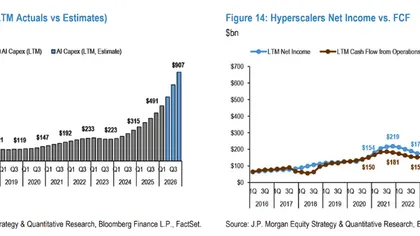
Leading global AI server cluster manufacturers such as Dell are simultaneously benefiting from two major growth dividends: the accelerated expansion of the AI server market and a significant increase in the order shares from core AI cloud computing customers, including large enterprises and new cloud providers. They are not merely passively profiting from hardware price increases.

GPU Cloud Services Surge in Price: Nebius Raises Prices Again by 20%, Computing Power Supply Side Gains Bargaining Power
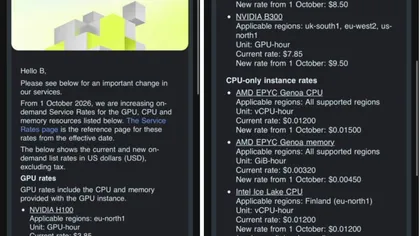
From October 1st, Nebius will raise prices for its entire GPU cloud service line by approximately 20%, with multiple chips from H100 to B300 seeing increases. This marks the second round of price hikes in recent months, and the cumulative increase for B300 has reached 56%. Demand visibility extends beyond 24 months, with customers eager to purchase Blackwell computing power, even willing to pay a premium in auctions. The supply-demand imbalance for AI computing power is reshaping the entire industry’s negotiation landscape, as bargaining power is quietly shifting to the supply side.
Crypto prices
More


