
Ethereum co-founder Vitalik Buterin 'adopts' viral pygmy hippo Moo Deng with $293,000 donation to Thai zoo

Quick Take Ethereum co-founder Vitalik Buterin has donated over $293,000 to a Thai zoo to “adopt” Moo Deng, the pygmy hippopotamus that achieved viral fame in 2024. Buterin said he made the donation in recognition of the hospitality of the Thai people during Ethereum-related events in the country, such as November’s Devcon SEA conference held in Bangkok.
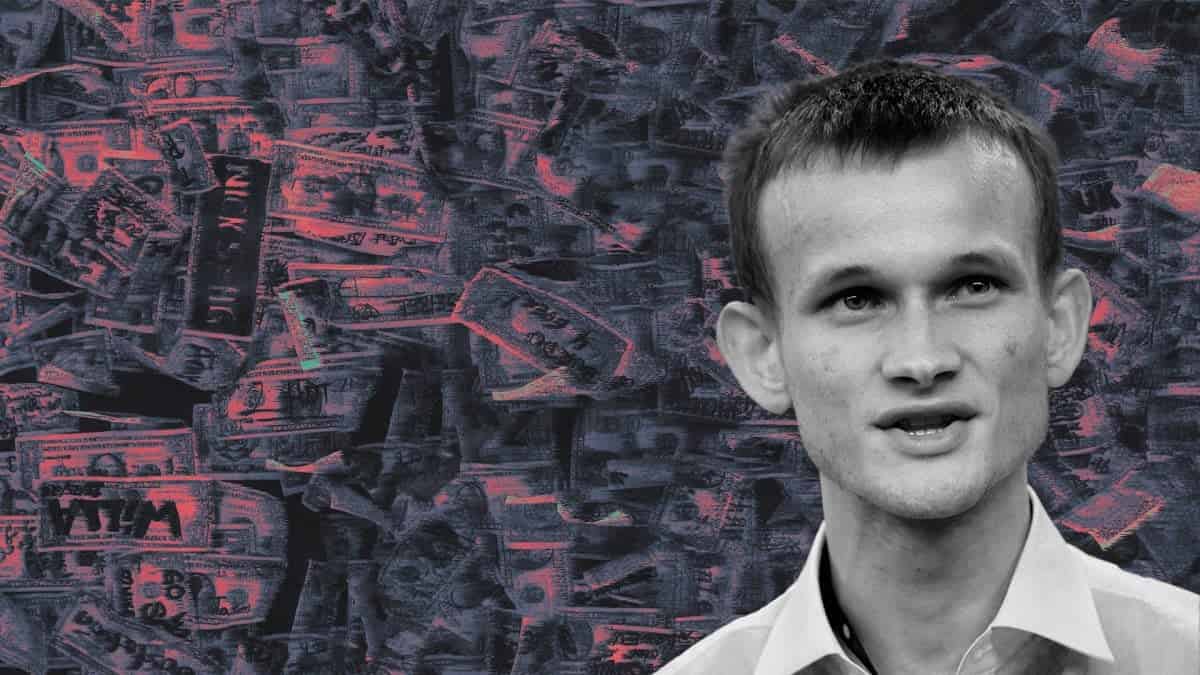
Ethereum co-founder Vitalik Buterin has become the "adoptive father" of viral pygmy hippopotamus Moo Deng after donating at least 10,000,000 Thai baht (about $293,000 USD, or about 88 ETH) to the Khao Kheow Open Zoo, which houses the artiodactyl.
The donation will support "the operations of Khao Kheow Open Zoo, the Wildlife Sponsorship Program, and the development of a dedicated exhibit for Moo Deng and her family," according to a letter Buterin posted to X .
The donation comes as a result of a visit Buterin made to the zoo and was made in recognition of the "wonderful hospitality of Thailand and the Thai people" during Ethereum events held in the country in 2024, including November's Devcon SEA conference .
"On behalf of the whole Ethereum ecosystem, I would like to offer our thanks and a gesture of friendship to all of the country...What better way to do that than through a Christmas present to someone who is dear to all Thai people, Moo Deng, and who has become one of the most unexpected and important Thai celebrities on the world stage," Buterin wrote.
"We look forward to working with you over the next 2 years for the benefit of the Khao Kheow Open Zoo community all our visitors," the zoo's X account wrote on X in response to Buterin's donation.
Moo Deng is a pygmy hippopotamus, an endangered species much smaller than its "common hippopotamus" relatives. Her name, chosen through a public poll, translates to "bouncy pork" or "bouncy pig" in English. The months-old animal shot to international fame in 2024, spurred by viral videos and images of the playful, energetic creature — especially those where she's seen attempting to bite her caretakers.
Moo Deng also became a celebrity in the crypto sphere thanks to the prominent memecoin that bears her name, which was recently added to Coinbase's listing roadmap . The token currently has a market capitalization of over $270 million, down from its all-time high of over $614 million on Nov. 15, according to The Block's Moo Deng Price Page .
Disclaimer: The content of this article solely reflects the author's opinion and does not represent the platform in any capacity. This article is not intended to serve as a reference for making investment decisions.
You may also like
The 5% U.S. Treasury yield storm is coming! The refinancing time bomb countdown begins—who will be the first victim?
The 10-year US Treasury yield has surpassed 5%, reaching a new high since 2007. The longer high interest rates persist, the greater the refinancing pressure will be on real estate companies, commercial real estate, and highly indebted firms, with systemic risks likely to accelerate and emerge within the next 12 to 18 months.

Don't Fight the Profit Cycle! Will U.S. Stocks Break 8,000 Points This Year?
Jefferies predicts that, driven by the dual engines of the AI investment boom and stronger-than-expected corporate earnings, the S&P 500 index is expected to soar to 8,000 points by the end of 2026 and further reach 9,000 points in 2027. AI-driven profit expansion has spread from the "Magnificent Seven" to the entire market, with the S&P 500's EPS forecast to surge by 35% this year, far exceeding market consensus—marking the strongest earnings supercycle since 1995! The only real threat: if US Treasury yields continue to spike, the risk of valuation compression cannot be ignored.
Will “continual learning” AI extend the memory “shortage” until 2031?
Citi believes that as AI enters the era of "continuous learning" beyond simple training and inference stages, demand for HBM, server DDR5, and enterprise SSDs (eSSD) will experience explosive and simultaneous growth starting from 2027. While demand will surge rapidly, the supply side is constrained by HBM production capacity usage and slower technology migration, leading to expansion lagging far behind demand. This supply-demand imbalance is expected to continue until 2031.
Crypto prices
More


