
Trump-imposed tariffs to begin Tuesday as Mexico, Canada announce retaliatory response

President Trump on Saturday signed an executive order imposing 25% tariffs on imports from Canada and Mexico, with a 10% tariff on Canadian energy and oil, and an additional 10% tariff on China.The implementation of the tariffs was delayed to Tuesday at 12:01 am.Mexico’s President Sheinbaum announced the country would implement both tariff and non-tariff retaliatory measures, while Canadian PM Trudeau said Saturday night Canada would implement 25% tariffs on a swath of American goods in response.
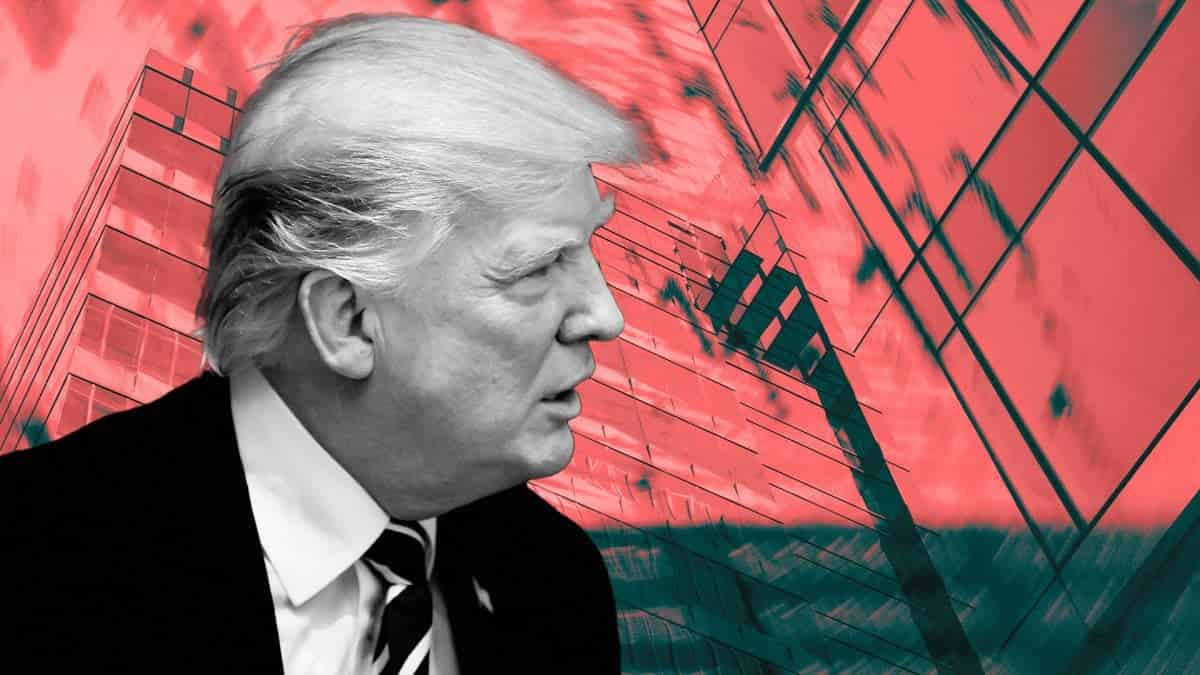
President Trump on Saturday declared steep tariffs on all imported goods from Canada, Mexico, and China, setting the stage for a trade war with the U.S.'s largest trading partners. Trump set the tariffs at 25% on Canada and Mexico, with a 10% carve-out for Canada's oil and energy exports, and a 10% tariff on all goods from China.
Though the tariffs were initially set to go into effect on Saturday, Feb. 1, the implementation was delayed to Tuesday, Feb 4, at 12:01 am. The tariffs will be imposed on top of any existing tariffs, and have been implemented in response to the flow of illegal drugs into the United States, according to the White House.
"The government of Mexico has afforded safe havens for the cartels to engage in the manufacturing and transportation of dangerous narcotics, which collectively have led to the overdose deaths of hundreds of thousands of American victims," a White House fact sheet states .
Mexico's President Claudia Sheinbaum was the first to announce retaliatory tariffs and non-tariff measures in response, in a post on X Saturday evening. In the post, Sheinbaum proposed that the U.S. and Mexico establish a working group to combat criminal organizations, warned against using tariffs to solve problems, and forcefully denounced the White House's accusation that the Mexican government has alliances with drug cartels.
"I instruct the Secretary of Economy to implement Plan B that we have been working on, which includes tariff and non-tariff measures in defense of Mexico's interests," a translation of Sheinbaum's post reads.
The Canadian government will also levy counter-tariffs on American goods in response. Canadian Prime Minister Justin Trudeau said in an address to Canadians Saturday night that the country would implement 25% tariffs on a large swath of American goods. Trudeau also said that non-tariff responses affecting the energy sector were being considered.
The Canadian government's response may eventually include export tariffs on energy, Bloomberg reported Saturday , setting the stage for a critical trade war between the U.S. and its largest foreign energy supplier. The price of energy factors heavily into the cost of mining Bitcoin in the U.S., which has an estimated 36% share of the global hashrate, according to mining firm Luxor .
The Block's GMCI 30 index of the top 30 crypto tokens by market cap is down about 4% over the past 24 hours as the market responds to Trump's executive order.
Updated Saturday at 9:20 EST with details of Canada's response.
Disclaimer: The content of this article solely reflects the author's opinion and does not represent the platform in any capacity. This article is not intended to serve as a reference for making investment decisions.
You may also like
FAA halts certification of Boeing 737 MAX 10, shares drop nearly 7%
The FAA has announced the suspension of the Boeing 737 MAX 10 certification due to a new software defect provided by GE Aerospace. This defect could impact the automatic flight guidance function and increase pilot workload during recertification scenarios. There are over 1,500 pending orders for the MAX 10, and certification is crucial for Boeing to improve cash flow and compete against Airbus. The previously expected October certification timeline has been delayed once again. Boeing's share price fell 6.9% on Monday.
Indirect Negotiations Between the US and Iran? Iran Makes Concessions? Major Differences Remain? Saudi Arabia Resumes Exports? Overnight Oil Prices Volatile and Falling Amid Mixed Bullish and Bearish Views
On Monday, after WTI peaked at $96.54 and Brent surged to $108.83, both benchmarks retreated by over $5 within a few hours. The resumption of Saudi Arabia's East-West pipeline constituted the first substantial bearish factor. Meanwhile, US-Iran diplomatic developments escalated: reports claimed Trump was willing to ease sanctions in exchange for nuclear concessions, which he immediately denied in person; Iran was reportedly willing to suspend uranium enrichment, but the US stated that “major differences remain.” Privately, Iran believes the chances of reaching a deal before the US presidential election are slim. Expectations are for potential escalation in conflicts after the election, making it difficult for market risk premiums to dissipate.
$100 Oil Price Spurs 'Cash Flow Revaluation' Logic! BP Plans to Sell Brazilian Biofuel Business to Accelerate Focus on Oil and Gas Assets
BP Plc is considering various options for its Brazil biofuel business, including a sale, as CEO Meg O'Neill accelerates efforts to reshape the energy giant's business portfolio.
Pump.fun: Why PUMP’s 20% surge faces KEY test despite $466M buybacks
Crypto prices
More


