
Tracking Weak Aggregate Demand from PPI

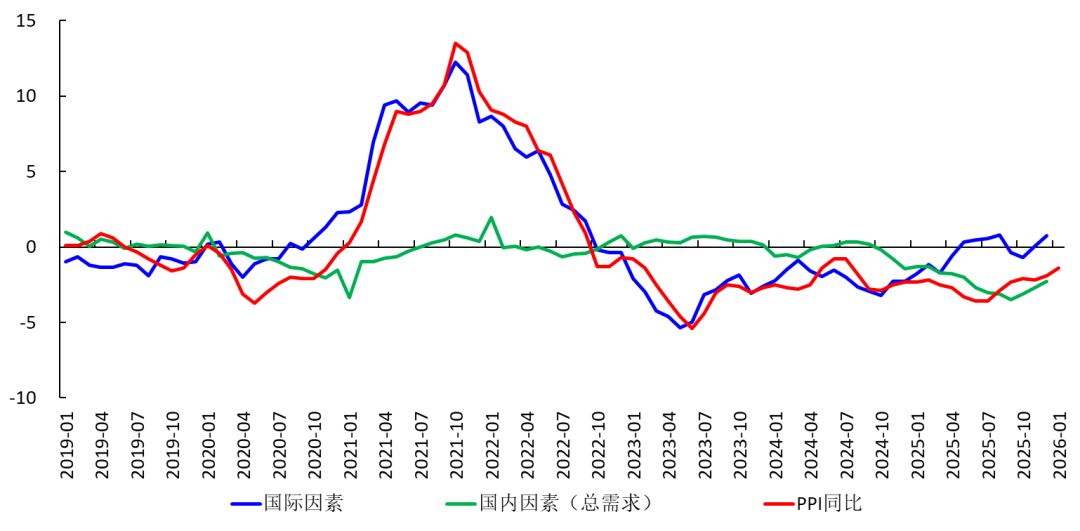 Figure 1: Decomposition of PPI into Two Parts
 It can be seen that:
[1] The large fluctuations in China's year-on-year PPI are mainly determined by international factors. The root cause is overcapacity, with supply far exceeding domestic demand, so domestic demand has little impact on PPI.
[2] From 2020 to 2022, production halts of European and American enterprises, coupled with factors such as the Russia-Ukraine war, led to a global commodity price increase on one side, and an increase in demand for Chinese goods on the other, pushing up China's PPI. In Q4 2022, as production in Europe and the US recovered and demand for Chinese goods fell, international factors declined rapidly, turning PPI negative, and the industrial sector fell into deflation.
[3] Since mid-2023, domestic demand has remained weak, leading to a decline in PPI.
[4] Since 2025, although international factors have risen, domestic factors continue to drag down PPI. In the second half of 2025, although domestic factors have improved, the growth rate is still negative.
[5] The flattening and rebound of long-term treasury bond yields in 2025 are due both to central bank guidance and expectations of a price rebound.
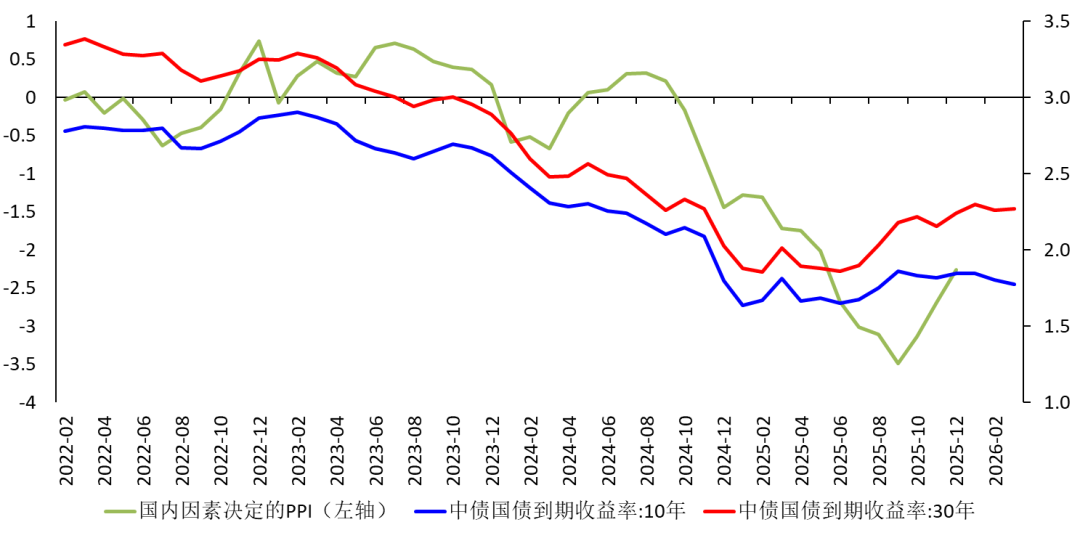
Figure 2: PPI Component Determined by Domestic Factors
IV. Impact of the WarDisclaimer: The content of this article solely reflects the author's opinion and does not represent the platform in any capacity. This article is not intended to serve as a reference for making investment decisions.
You may also like
Dow Jones Industrial Average bounces on Iran's latest Hormuz offer
U.S. stocks opened higher and fluctuated, the Japanese yen rebounded more than 1% intraday, 10-year U.S. Treasury yields broke above 5.22% again, and U.S. crude oil once fell nearly 3%.
After the release of U.S. consumer confidence data, the S&P and Nasdaq turned negative, while the Dow is poised to break a three-day losing streak but is set for a fourth consecutive weekly decline. Meta pulled back, falling more than 3% during the session. The U.S. 10-year Treasury yield surpassed 5.22% again, marking a new high for the third day in a row since 2007, while the 30-year yield reached its highest level since 2004. The yen/dollar pair surged 1.2% intraday, as Japanese and U.S. officials successively signaled concerns over the weak yen. Expectations for a diplomatic resolution between the U.S. and Iran are rising, halting crude oil's two-day climb.
US Treasury volatility surges, triggering alarms! BofA’s Hartnett warns of rising deleveraging risks as higher yields become main threat to the market
Bank of America strategist Michael Hartnett warns that the recent sharp rise in volatility in the US bond market is increasing the risk of broader deleveraging in financial markets.
U.S. diesel prices surge 83% this year! Apollo Chief Economist warns: Cost pass-through may make core inflation more stubborn, Federal Reserve can't ignore it
Torsten Slok, Chief Economist at Apollo Global Management, has warned that the inflation threat posed by the surge in U.S. diesel prices to historic highs may be more serious than the Federal Reserve currently realizes.
Crypto prices
More


