
The Real Cash Crunch and False Alarms: Why Did SOFR Surge While U.S. Stocks Didn’t Crash?【Master Cheng Tan Lecture 3.4】


Highlights Preview
Many people instinctively think when SOFR surges and repo rates spike:
“There’s a problem with dollar liquidity.”
“Are risk assets about to crash?”
But the reality might not be so simple.
In September 2019, the U.S. repo rate once soared by 300 bps;
In October 2025, SOFR once again experienced an abnormal spike.
Yet in both instances, U.S. equities didn’t see a systemic plunge,
Gold didn’t collapse; and U.S. Treasuries also didn’t suffer from broad liquidity stress.
Why?
Because a “lack of funds” in the repo market doesn’t mean the whole financial system is “short of money.”
What’s truly important isn’t SOFR itself, but whether a liquidity shock is starting to transmit to the broader financing markets.
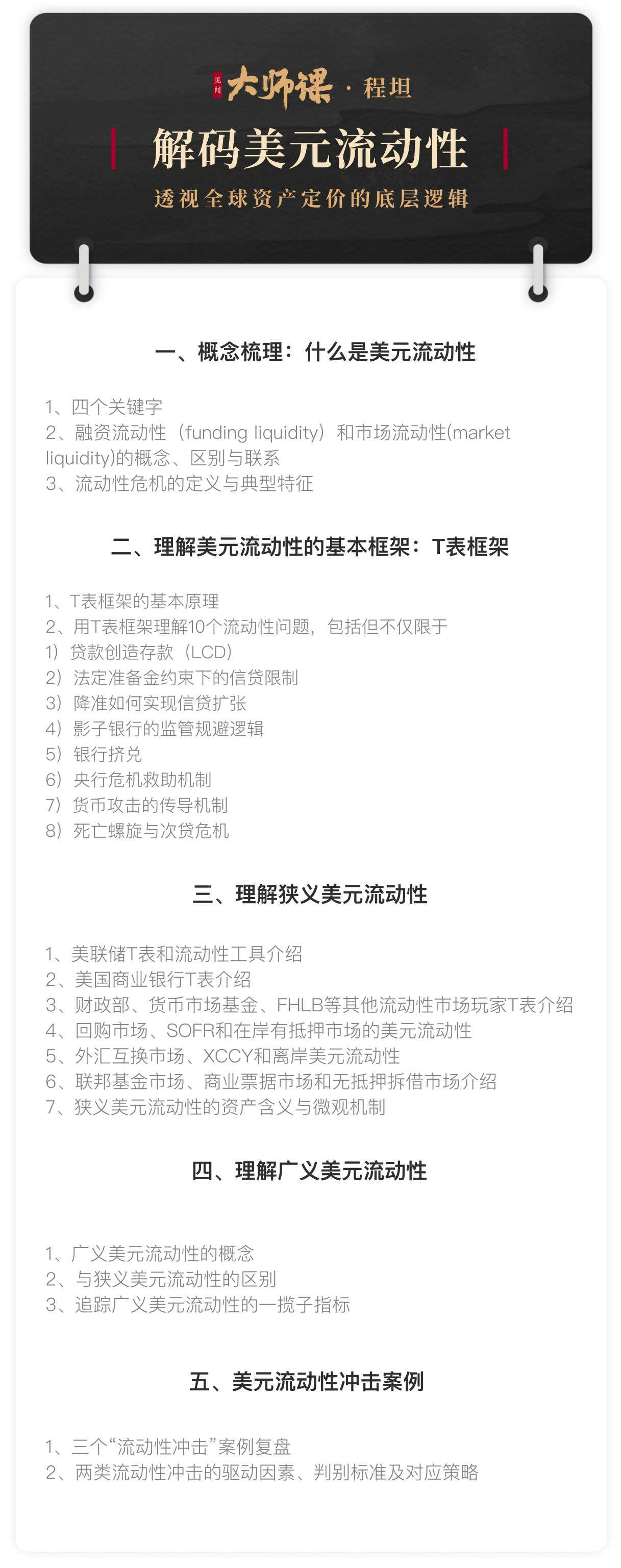
In this lesson, Tan Cheng, founder of Tantu Macro, will systematically explain —
What a real credit crunch is;
What is just short-term disturbance caused by month-end, taxes, or debt issuance;
Why some SOFR spikes are worth caution while others are nothing to worry about;
And, above all, which liquidity indicators really determine whether risk assets are at risk.
Disclaimer: The content of this article solely reflects the author's opinion and does not represent the platform in any capacity. This article is not intended to serve as a reference for making investment decisions.
You may also like
RNA therapy company Adarx Pharmaceuticals (ADRX.US) plans to raise up to $372 million in a U.S. IPO; pharmaceutical giant AbbVie (ABBV.US) has agreed to invest up to $100 million
RNA therapy company Adarx Pharmaceuticals, which is in the late stage of clinical development, plans to raise up to $371.9 million through its initial public offering (IPO) in the United States.
Ledger CTO urges crypto holders to update iPhones after DarkSword exploit revealed
Crypto ICOs Left in Limbo After CLARITY Act Fails in Senate
Crypto prices
More


