
Congress sends anti-CBDC housing bill to Trump's desk for final approval

The U.S. House of Representatives has passed the 21st Century ROAD to Housing Act, sending the bill, including anti-central bank digital currency provisions, to President Donald Trump's desk.
On Tuesday, the bill passed by 358-32, just one day after the Senate gave its approval to the legislation with an overwhelming vote. The bill contains a housing affordability package to boost housing supply in the U.S. and make it more affordable by preventing corporate landlords from dominating the market.
The legislative process notably accelerated last week when key senators and House representatives jointly released an updated version of the legislation, ending months of delay.
"Today, Congress delivered a major win for families working toward the American Dream," said Senate Banking Committee Chairman Tim Scott. "The 21st Century ROAD to Housing Act will help more Americans put down roots, build a better future, and find not just a house, but a home, and I look forward to President Trump signing it into law."
The 21st Century ROAD to Housing Act includes language banning the Federal Reserve from issuing or creating a CBDC or any digital asset "substantially similar" to a CBDC, effective until Dec. 31, 2030.
The legislation's advancement aligns with the Trump administration's anti-CBDC stance. Last month, U.S. Treasury Secretary Scott Bessent reiterated that CBDCs are clearly "off the table," and that the administration will focus on getting the digital asset-focused Clarity Act across the finish line.
Disclaimer: The content of this article solely reflects the author's opinion and does not represent the platform in any capacity. This article is not intended to serve as a reference for making investment decisions.
You may also like
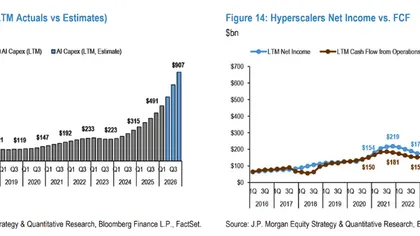
From the Token Frenzy to the $1.3 Trillion AI Server Blue Ocean: AI Inference Computing Power Fully Explodes, Industry Leaders like Dell Usher in the Golden Era of "Volume, Price, and Market Share"
Leading global AI server cluster manufacturers such as Dell are simultaneously benefiting from two major growth dividends: the accelerated expansion of the AI server market and a significant increase in the order shares from core AI cloud computing customers, including large enterprises and new cloud providers. They are not merely passively profiting from hardware price increases.

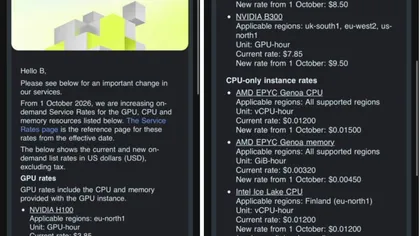
GPU Cloud Services Surge in Price: Nebius Raises Prices Again by 20%, Computing Power Supply Side Gains Bargaining Power
From October 1st, Nebius will raise prices for its entire GPU cloud service line by approximately 20%, with multiple chips from H100 to B300 seeing increases. This marks the second round of price hikes in recent months, and the cumulative increase for B300 has reached 56%. Demand visibility extends beyond 24 months, with customers eager to purchase Blackwell computing power, even willing to pay a premium in auctions. The supply-demand imbalance for AI computing power is reshaping the entire industry’s negotiation landscape, as bargaining power is quietly shifting to the supply side.
Crypto prices
More


