
The Real Reason for Google AI Talent Loss: Equity Incentives Before IPO

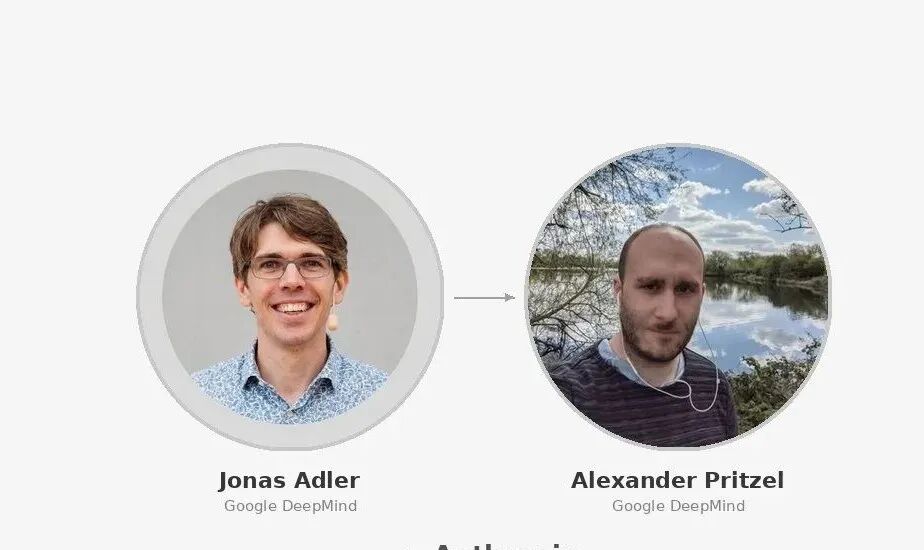
At Google, with a market cap of over $4 trillion, employees receive restricted stock units that may have room for appreciation, but the upside is limited. In contrast, jumping to startups like Anthropic or OpenAI, which are expected to go public in 2026–2027, means the opportunity to obtain a significant amount of early-stage equity at a very low cost.Once the company goes public, wealth could multiply several times, or even dozens of times.
A typical case is Noam Shazeer: in 2021, he left Google to found his own company. Three years later, Google spent $2.7 billion to “buy him back,” earning him hundreds of millions of dollars personally; now he has switched to OpenAI, which has secretly filed for an IPO, once again betting on the next round of exponential growth.
Top AI talents may talk about “building the future,” but the reality is whoever offers more future equity has the power to keep them. For Google, this isn’t just a technical competition—it's a wealth game about “expected returns.”



Disclaimer: The content of this article solely reflects the author's opinion and does not represent the platform in any capacity. This article is not intended to serve as a reference for making investment decisions.
You may also like
A Giant Wedge Breakout Could Send SUI Toward $20
SUI price breaks out of falling wedge, faces key $0.85 resistance
Trump to Form an "AI Army"; Previously Called "AI Safety Risks" a "Hoax"
Trump announced the formation of a federal "Artificial Intelligence Force" and the appointment of an AI affairs "chief," stating that AI could account for 25% of U.S. GDP. However, the responsibilities, funding, and leadership of the agency remain unclear, and its relationship with existing institutions is also uncertain. Internal White House advisors are divided on the extent of regulation, causing policy direction to be unstable.
NEAR Protocol launches confidential perpetual futures, price breaks $2.827 resistance
Crypto prices
More


