
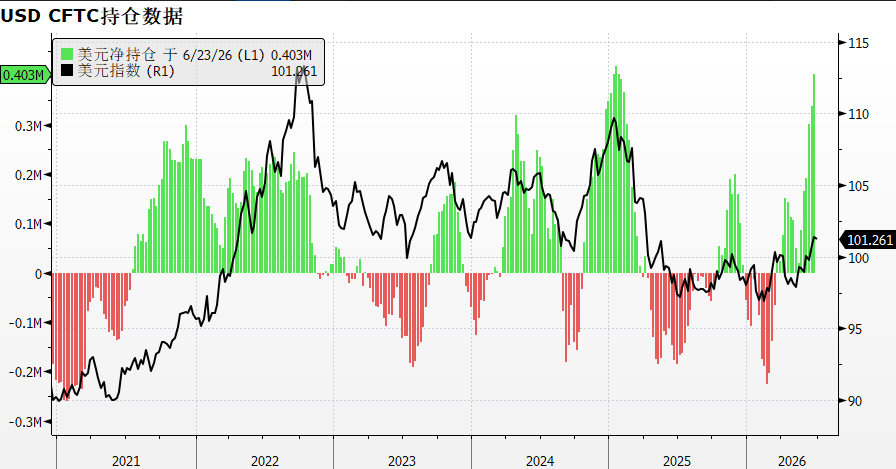
Crowded Long Positions on the US Dollar

Morning FX
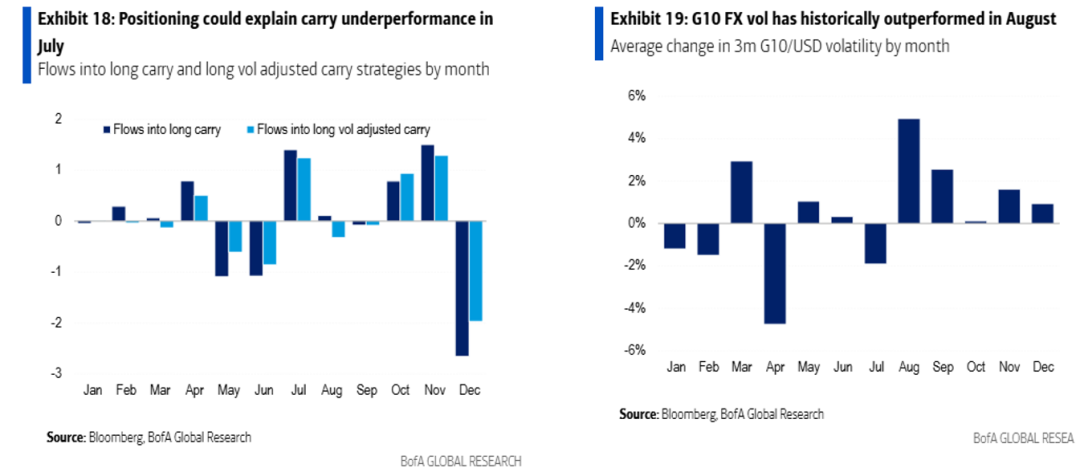
2. Oil prices fall, and rate hike expectations are hard to support the dollar
The core driver of the latest dollar rally comes from the market’s advance pricing of the Fed’s hawkish policies,with the dollar index’s movement highly related to the expected rate hikes from the Fed over the next year.
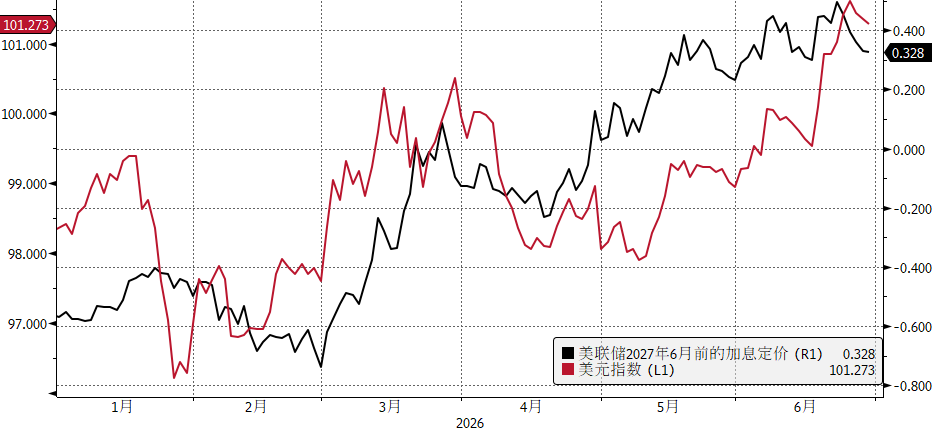
Currently, the market is pricing in 1.3 Fed rate hikes this year, with a 75% probability of a hike before September, slightly down from post-June FOMC highs. However, the decline in US dollar interest rates still lags the significant drop in oil prices.The fall in oil prices will gradually ease inflation,reducing the necessity for continued Fed hikes,and the rate support for the dollar continues to weaken.
3. Seasonal weakening window for economic data
In June and July, US nonfarm payrolls data often show seasonal weakness: on one hand, school summer vacations result in temporary departures from public education positions, and many women exit the labor market to look after children; on the other, July is traditionally a time for automakers and other manufacturers to halt operations for maintenance, leading to temporary layoffs. Therefore, summer employment data naturally experience seasonally downward disturbances, and high-frequency indicators such as JOLTS and ISM manufacturing also face possible weakening.
4. AI positives fully priced in, marginal benefits fading
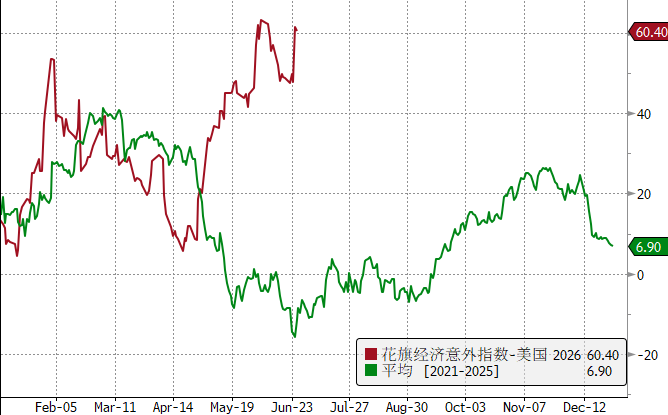
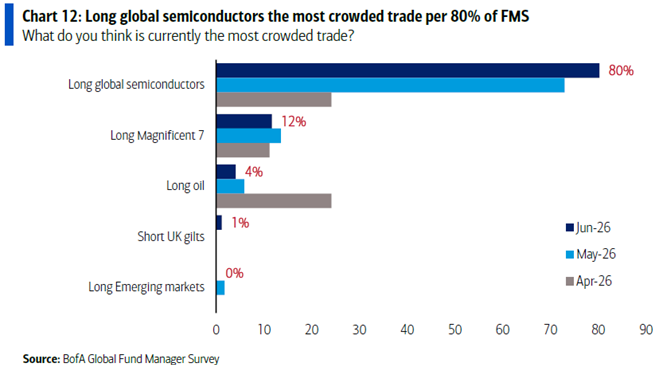
The boost to US productivity from AI is a core bullish logic for the dollar in the mid-to-long term, but in the short-term, this positive has already been priced into the dollar’s strength.BofA’s June investor survey shows that 80% of institutions believe that going long on global semiconductors is the most crowded trade. When volatility in tech stocks increases, it may weaken foreign capital’s motivation to continue assets into the USD.
5. Geopolitical risk premium supporting the dollar continues to decline
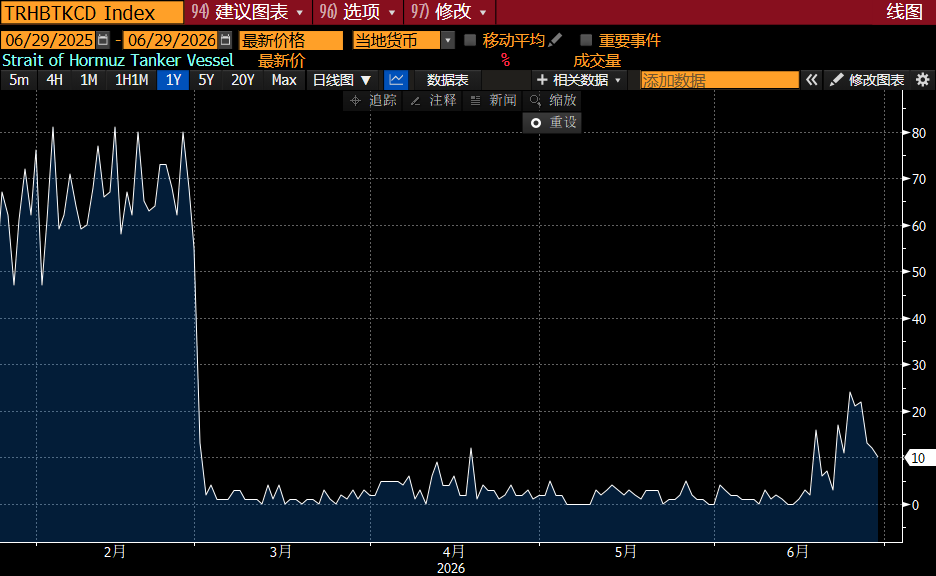
With the US and Iran reaching a ceasefire memorandum of understanding, the Middle East situation has cooled down significantly, Hormuz Strait shipping traffic has recovered to about 30% of normal levels, and overall Middle East strait traffic has risen to around 60% of norm. The previously supportive geopolitical risk premium for the dollar is rapidly declining.
Summary:
Currently,US dollar long positions are rather crowded. Coupled with falling oil prices, seasonal weakening of summer economic data, AI benefits being fully priced in, and fading geopolitical risk premium, a confluence of factors is increasing the pressure for a short-term correction at the dollar’s highs.
Disclaimer: The content of this article solely reflects the author's opinion and does not represent the platform in any capacity. This article is not intended to serve as a reference for making investment decisions.
You may also like
AI demand drives TSMC to accelerate capacity expansion, 2nm monthly production aims for 120,000 wafers by year-end
According to reports, industry giants such as Apple, Nvidia, and AMD have collectively increased their orders by 10% to 20%, directly boosting TSMC's 2nm monthly production capacity to 120,000 wafers by the end of the year, which exceeds the previous estimate by more than 20% and brings forward the 2027 target by two years. For the first time in history, five factories will ramp up production simultaneously, and the annual compound growth rate of capacity from 2026 to 2028 will reach as high as 70%.
Long-term US Treasury Sell-off Continues! 10-Year Treasury Yield Breaks 5.2% Again, “AI Boom vs. Rising Financing Costs” Narrative Showdown Intensifies
On Monday, oil prices rose and US Treasury bonds were sold off again as former US President Donald Trump rejected Iran's latest proposal to reopen the Strait of Hormuz, heightening concerns about inflation.
Banks Have Been Earning Effortlessly from Idle Funds for Years—Will AI Agents Change Everything?
For years, banks have profited from customers' idle funds, but AI agents may be about to change this situation.
Goldman Sachs: US stocks are showing a "strong index, weak confidence" pattern; catch-up rally may become the main theme of the next phase
Goldman Sachs stated that the current U.S. stock market is showing an unusual pattern: while index performance is strong, investor confidence remains weak. This suggests that the market still has further upside potential, and stocks that previously lagged behind leading AI stocks may soon experience a catch-up rally.

Crypto prices
More


