
Breaking! Apple's brand-new product line revealed, Siri AI enters the home

 With the arrival of a new leader, the younger, more energetic, and more engineer-minded Apple CEO John Ternus is reportedly driving a comprehensive reform of Apple's management and product system, including streamlining middle management positions, increasing the frequency of new product launches, and allowing teams to work on more "experimental" projects. The first wave of results from these reforms may be coming soon.
  Today, Bloomberg’s Apple expert Mark Gurman revealed some big news: Apple is preparing to release a host of Siri AI-powered devices on October 13, restarting its long-neglected smart home product line. According to current information, Apple will simultaneously launch three products at that time: A smart home hub, a new generation HomePod mini, and a long-awaited update to the Apple TV.
 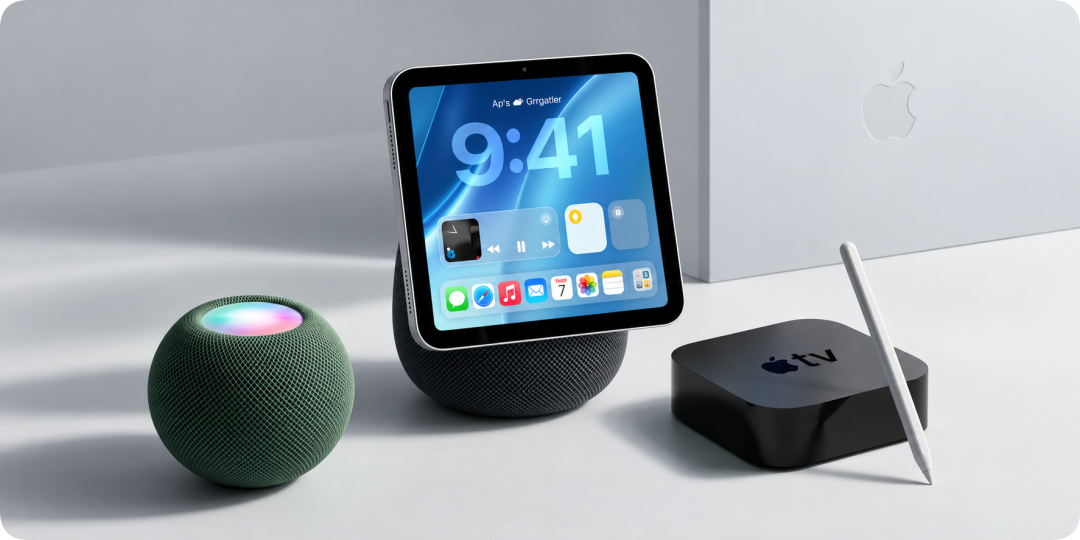 Image generated by AI, not representative of the final product Of these, the most anticipated is, of course, the brand-new smart home hub. According to "insiders" with extensive knowledge of internal developments, this new product, code-named J490, features the following:
 About a 6-inch square touch display, similar to an always-on information panel for the home
Supports both desktop placement and wall mounting, with the desktop version featuring a round metal base and supporting arm design, looking a bit like the old iMac G4
Thickness roughly similar to the iPhone, with bezels about as wide as an old iPad
Runs a redesigned system for home scenarios, with an interface blending elements of iOS, watchOS, and tvOS
Can control HomeKit / Matter smart devices, and also serves as a hub for music, FaceTime, calendar, and other family-shared functions
Built-in camera that dynamically adjusts the interface display based on the distance of people from the screen, and can recognize different family members to show personalized content accordingly
Positioned as the hub of the entire Apple home ecosystem, linking HomePod, Apple TV, HomeKit, and in the future, cameras, sensors, and other devices together After learning all this, it's easy to see that this rumored "HomePad" is essentially Apple’s version of the Amazon Echo Show/Xiaomi Smart Home Panel—in form, nothing particularly novel, as smart speakers with screens are already well-established in China.
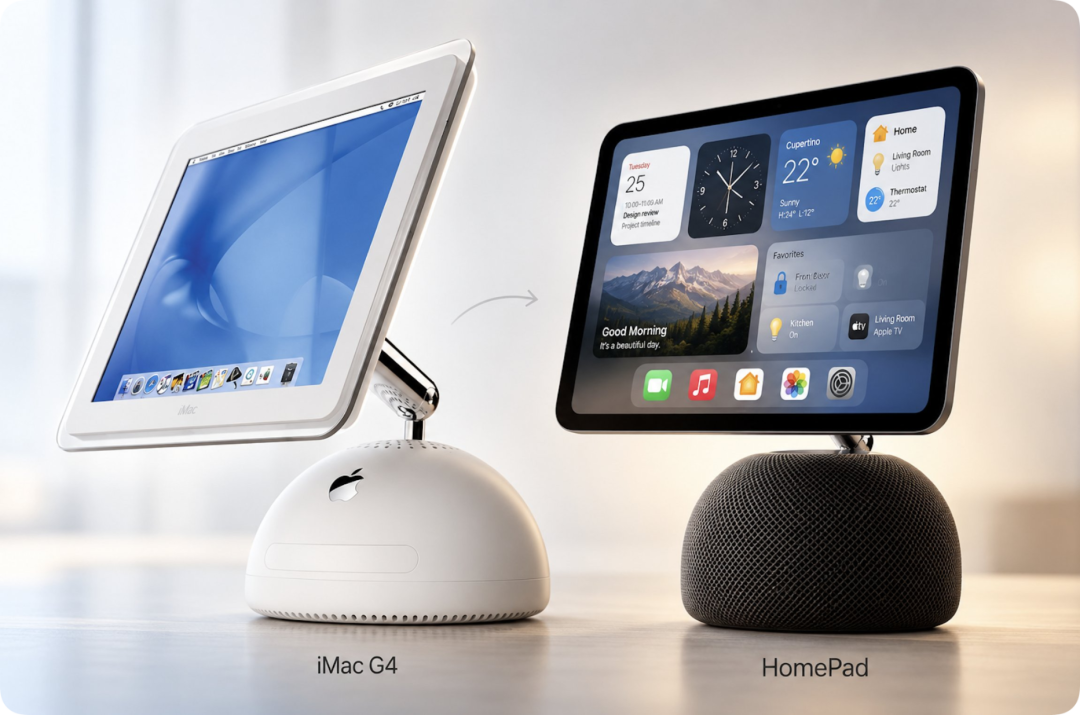 Image generated by AI But just like iPhone Duo’s take on foldable screens, Apple always manages to deliver refreshing designs through excellent hardware-software integration within well-established categories— If these leaks are true, everything about this new product is designed around the logic of "who is using it": as someone approaches from across the room, the interface gradually shifts from large information panels to more detailed interaction options; as different family members come closer, it will also dynamically switch to show that person’s calendar, reminders, photos, and other personalized content.
 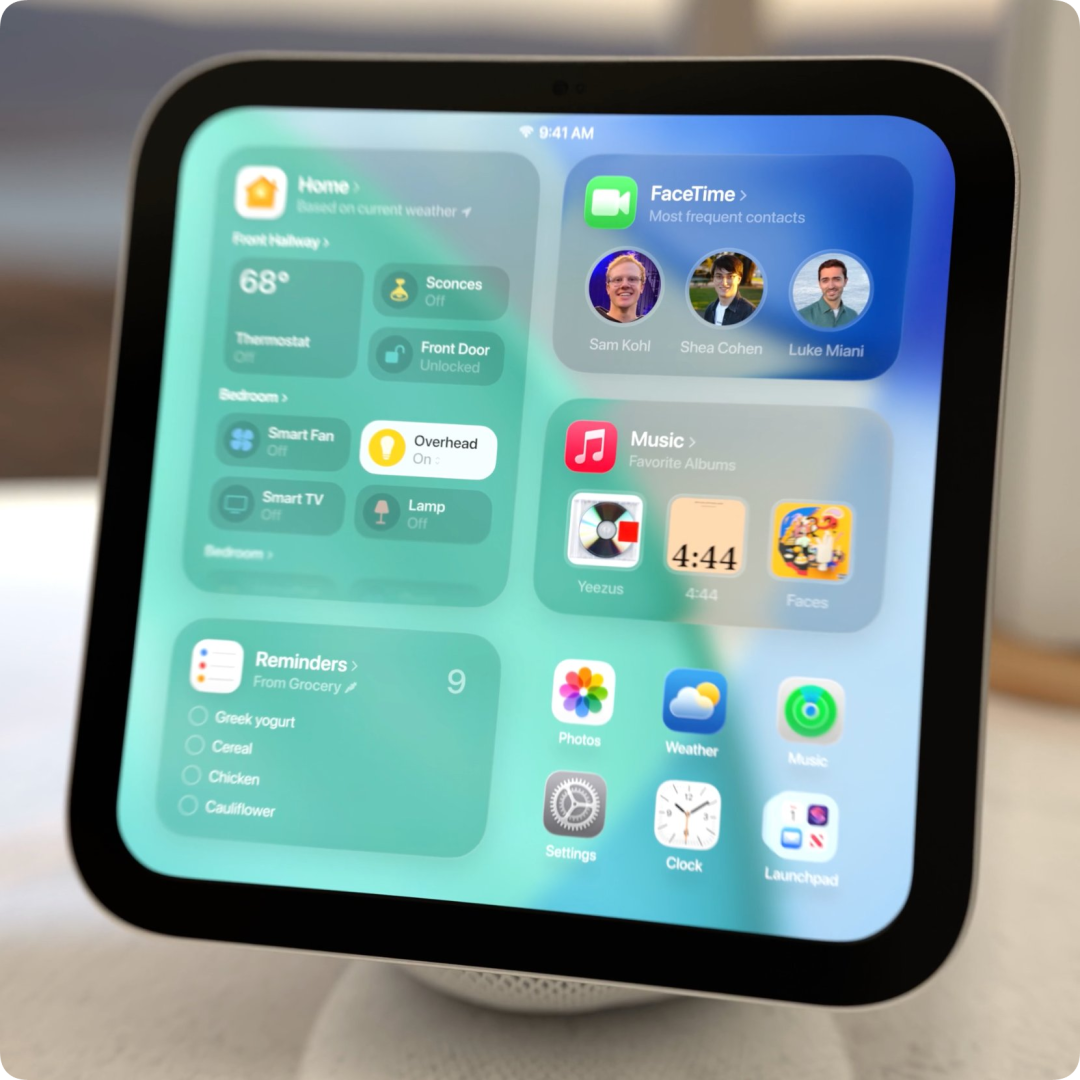 Image|Apple Track In other words, it's not a private device like an iPhone or iPad, but rather a computer that belongs to the entire family. These distinguishing design features essentially address the question: "What form should a shared household device take?"
 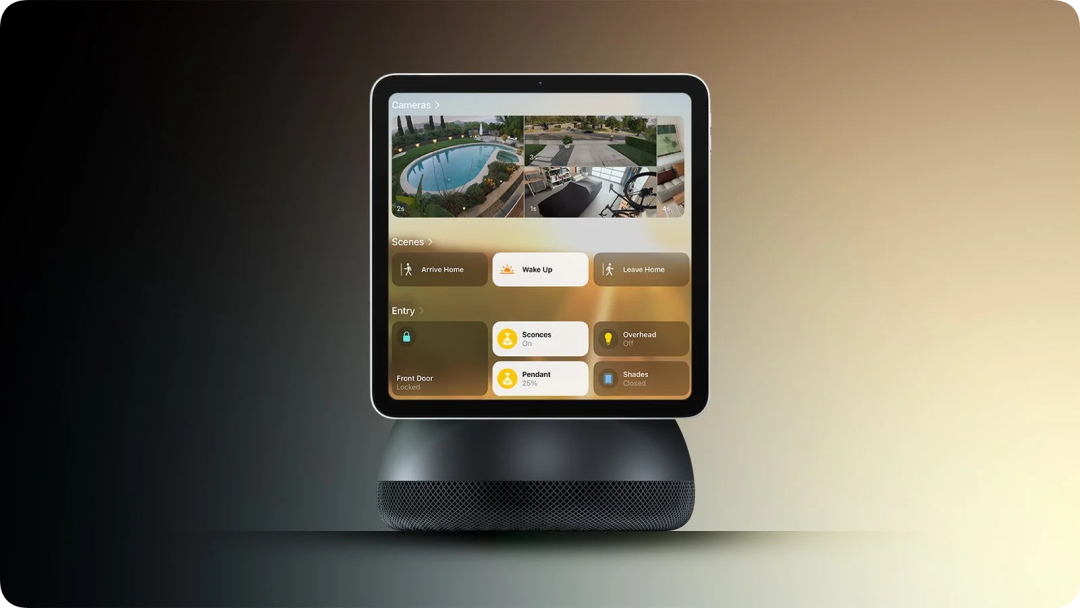 Image|MacRumors At least in Apple’s view, simply adding a display to the HomePod is far from enough. A true smart home hub naturally faces multiple different family members and should be able to recognize its current user and their intent, so as to better serve each member and establish clear privacy boundaries for everyone.
 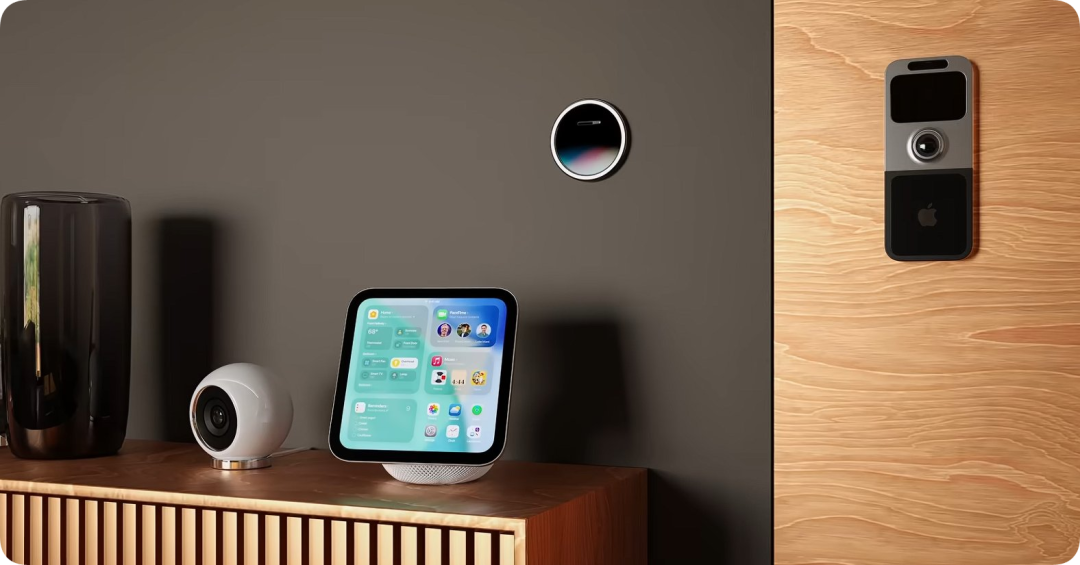 At the same time, as a true "hub", it also needs to control other smart home devices more intelligently. Hardware is not difficult, but on the software side, Siri has been the bottleneck for years, unable to support such smart ecosystem ambitions. Therefore, the entire Apple smart home plan had to wait until Siri AI reached maturity. This also explains why Apple’s smart home line has long remained stagnant. HomePod mini hasn't been updated since its launch in 2020, which is nearly six years without a refresh; the current third-generation Apple TV was released in 2022; and the smart hub originally expected in March 2025 has now been delayed by another year and a half.
 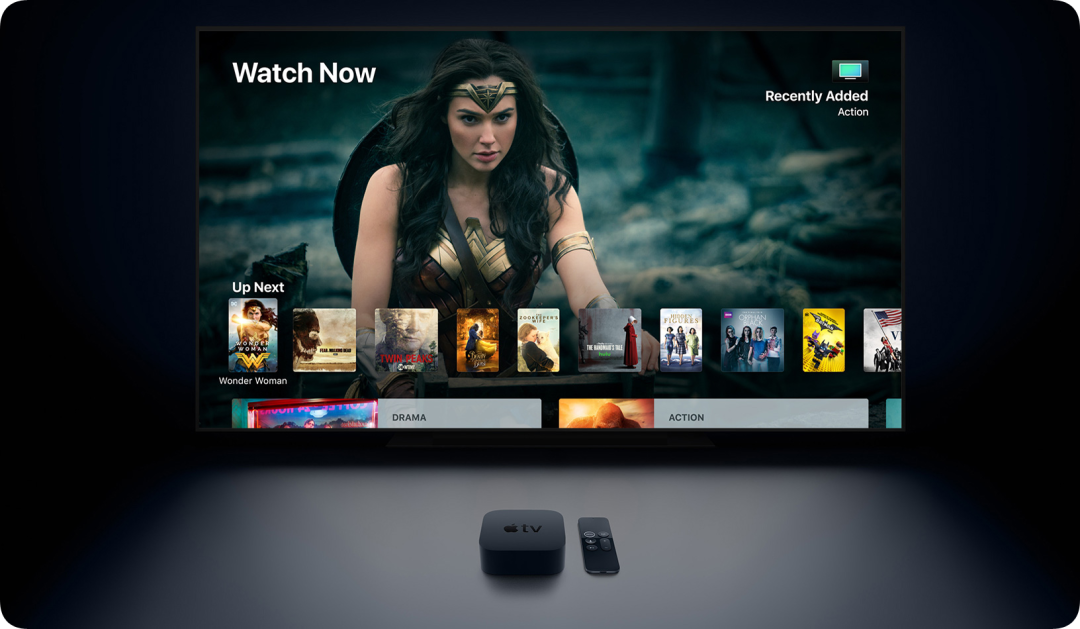 Now, John Ternus has finally determined that Siri AI meets the “usable” standard. Earlier this month, Siri AI began rolling out as an English-language beta, so the updated versions of these products will soon appear, all featuring Siri AI.
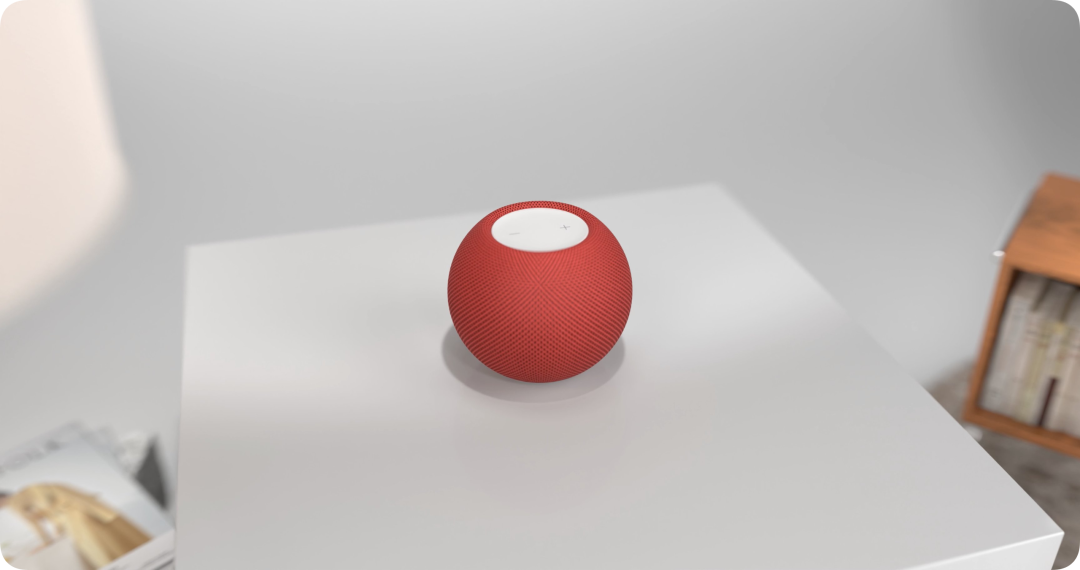
 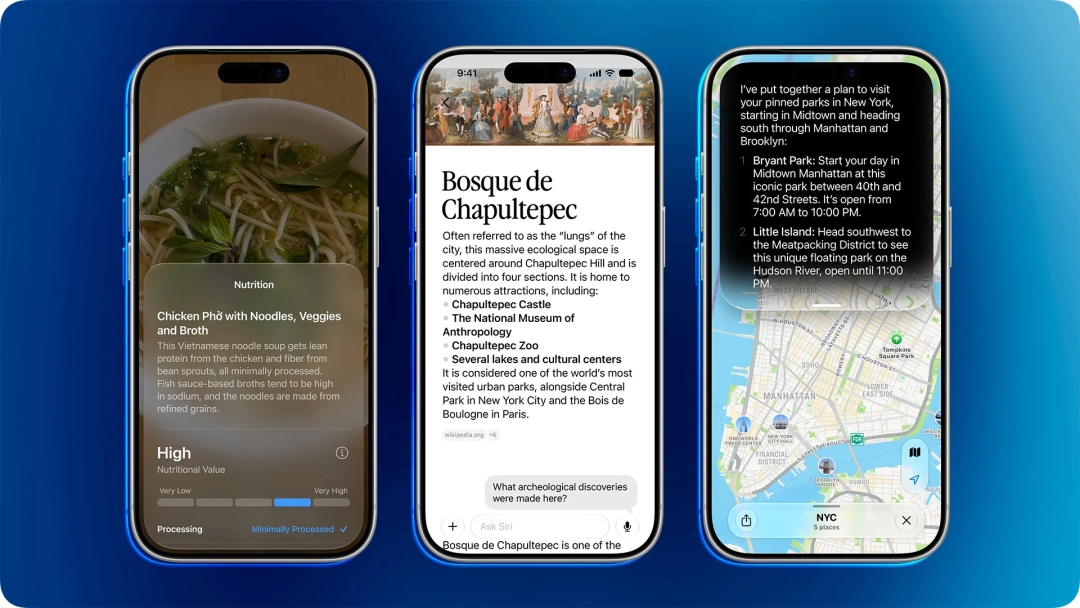 Given that the focus is AI, the new HomePod mini and Apple TV won't change much in appearance; the upgrades are primarily internal—more powerful processors, better wireless connections, and enhanced computing power to support the new Siri AI.
  From this, Apple’s long-term vision for smart homes becomes clear: In the future, smart home devices are essentially nodes of a distributed family AI system in every room. When asked earlier why Apple would wait until 2026 to enter the foldable phone market, executive Greg Joswiak commented that Apple would not rush to release a "half-baked" product just to be first. Though he was talking about the iPhone Duo, this reasoning applies equally well to Apple’s caution with smart homes.
  Of course, Apple could have made a HomePod with a display early on, but such a product could not answer one question: Why not just use an old iPad in the living room? Only by integrating AI capabilities—so that the household system can offer highly personalized and clearly defined services for each family member—does this category of device finally have standalone value.
 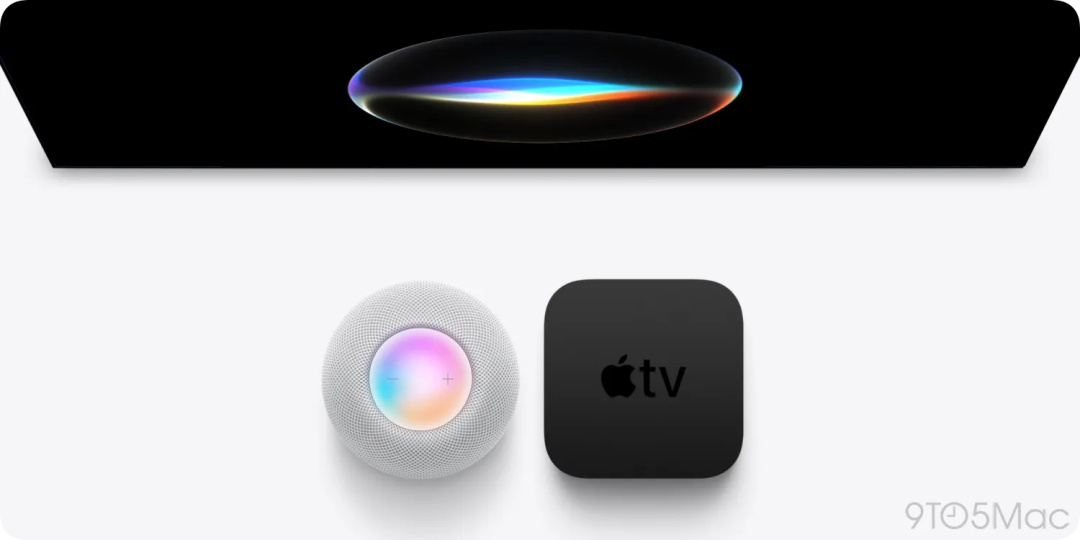 Image|9to5Mac So J490 is likely only the first step in restarting Apple’s smart home lineup. With Siri AI in place, more interesting smart home hardware will join the lineup—for example, security cameras, home sensors, and a 9-inch screen upgraded hub with a rotating mechanical arm, all previously mentioned in leaks. These upcoming new products will continue to enhance the perception capabilities of the home AI, allowing the home hub to provide more personalized recommendations, and, in the long run, possibly eliminate today’s complex, custom automation rules for smart home products and realize true automation.
 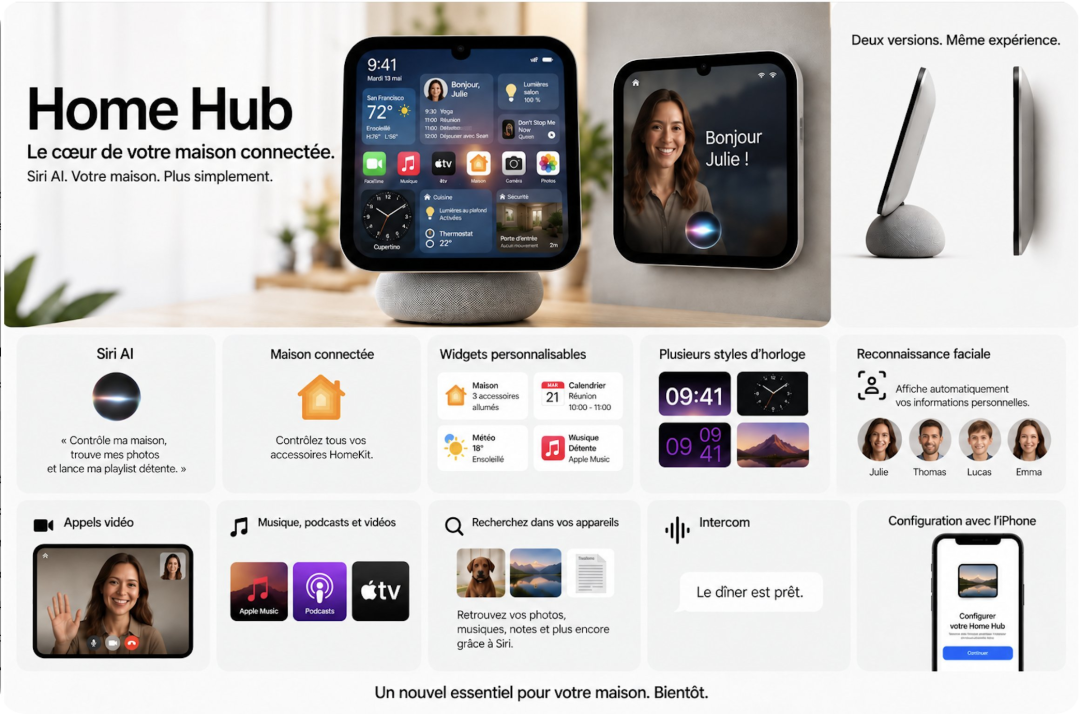 Image generated by AI For the past 20 years, Apple has been striving to embed “computing” into every corner: AirPods handle audio, Apple Watch processes health information, while iPhone and Mac meet broader general-purpose computing needs. The next step is that Apple plans to connect the entire “home” through computing.
 Author|Peng Haixing
Editor|Xiao Qinpeng



Disclaimer: The content of this article solely reflects the author's opinion and does not represent the platform in any capacity. This article is not intended to serve as a reference for making investment decisions.
You may also like
How does Wall Street view the PCE? Goldman Sachs delays expectation for Fed rate hike
After the lower-than-expected US August PCE data was released, Goldman Sachs delayed its expectation for the Federal Reserve's second rate hike from October to December, and stated that it does not rule out the possibility that the Fed may eventually decide no further hikes are necessary. "New Fed Newsletter" Timiraos noted that the PCE does not change the previously known trend of rising inflation. Currently, the market prices in a 39% probability of a rate hike in October, down from 45% before the PCE release; and a 90% probability in December. The yield on 2-year US Treasury notes dipped slightly after the PCE announcement and then rebounded, while the 10-year yield continued to rise.
Zeta Global stock jumps 9.43% intraday, flashes overbought signals
Albertsons Companies stock edges up 0.3% but bearish trend keeps grip
SUI Tests Channel Support After Sharp Rally

Crypto prices
More


